We often think of Ladakh as a high-altitude desert—a “land of high passes.” But did you know that millions of years ago, this very region was actually a bustling volcanic island chain sitting right above an ancient ocean?
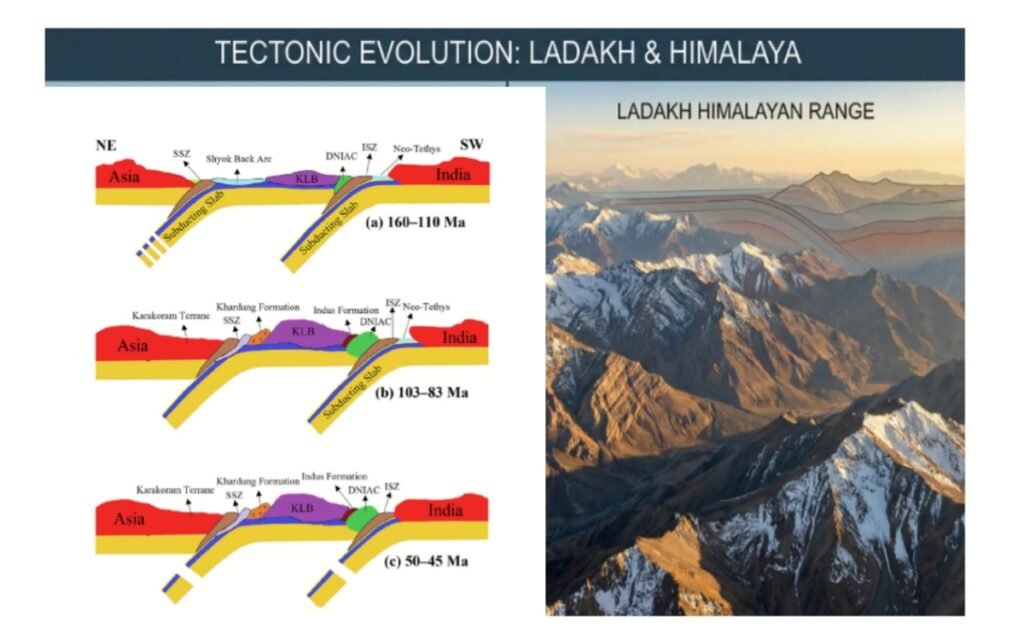
Recent research by scientists from the Wadia Institute of Himalayan Geology (WIHG) has decoded the 130-million-year-old history of the Ladakh Magmatic Arc (LMA). This discovery isn’t just for geologists; it’s a fascinating look at the “pre-Himalayan” era that explains how our subcontinent eventually crashed into Eurasia.
The Mystery of the Neo-Tethys Ocean
Before the Himalayas existed, there was a massive sea called the Neo-Tethys Ocean. As the Indian tectonic plate started moving northward, its oceanic crust began sliding beneath the Eurasian plate—a process scientists call subduction.
Think of it like a giant conveyor belt. This movement generated immense heat and pressure, creating a belt of igneous rocks known as the Ladakh Magmatic Arc. This arc was active roughly between 201 and 34 million years ago (the Jurassic to Eocene periods).
The Three Chapters of Ladakh’s Evolution
The researchers divided the evolution of this region into three distinct “acts”:
- The Island Phase (160–110 Million Years Ago): Back then, Ladakh looked more like Indonesia or the Philippines. It was a chain of volcanic islands where magma rose directly from the Earth’s mantle.
- The Continental Phase (103–45 Million Years Ago): This is when the famous Ladakh Batholith (huge granite masses) formed. The magma started mixing with continental material, showing that the plates were getting closer and thicker.
- The Collision Phase (After 45 Million Years Ago): The big crash! India finally hit Eurasia. This “post-collisional” stage changed the chemistry of the rocks forever and eventually pushed up the mountain ranges we see today.
Why Does This Matter?
Understanding the Ladakh Magmatic Arc is like finding the “black box” of a flight recorder. It captures the exact transition from an open ocean to the birth of the world’s highest mountain system. For students preparing for competitive exams like UPSC or SSC, this highlights how Science & Technology and Geography are deeply interconnected in the Indian context.
Questions and Answers
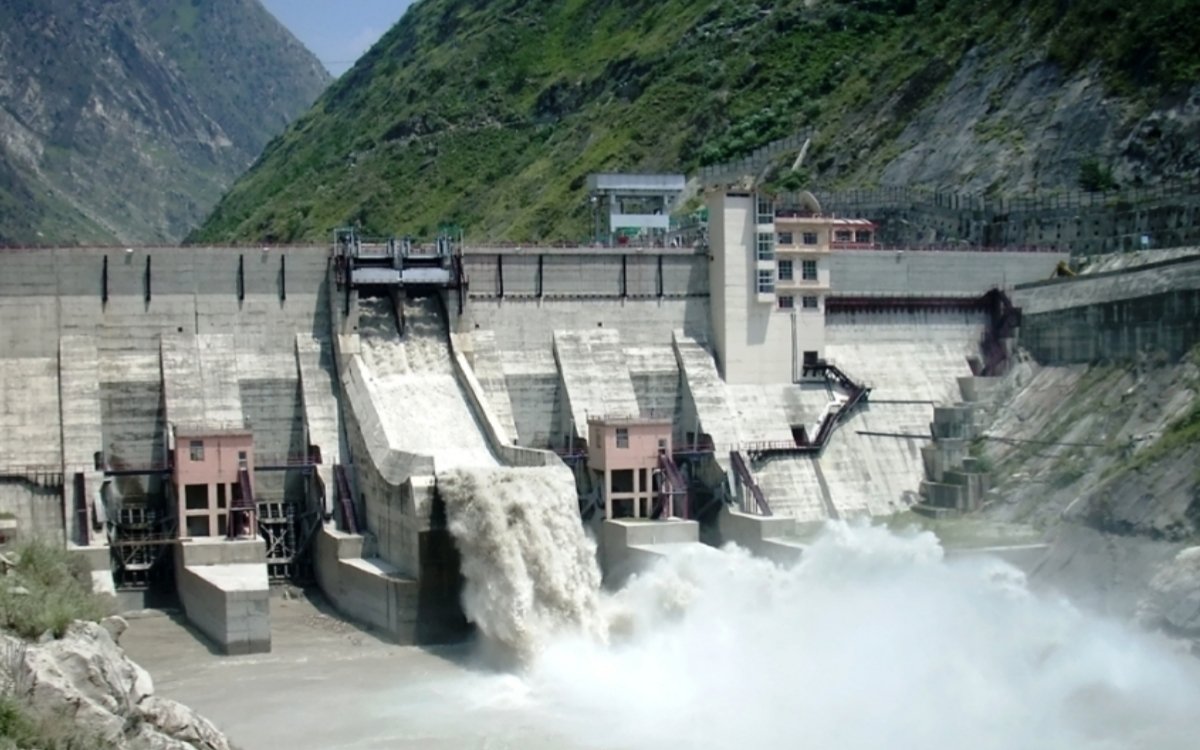
In a significant move towards strengthening India’s renewable energy portfolio, the Union Cabinet, led by PM Narendra Modi, recently greenlit the Small Hydro Power (SHP) Development Scheme. With a financial layout of ₹2,584.60 crore, this isn’t just another infrastructure project—it is a lifeline for India’s remote and mountainous terrains. Scheduled to run from FY 2026-27…

The world of aerial warfare is changing faster than a sonic boom. While India is currently pushing hard to get its 5th-generation Advanced Medium Combat Aircraft (AMCA) off the drawing board, a new conversation has started in the corridors of power in New Delhi. India is now officially “eyeing” a seat at the table for…
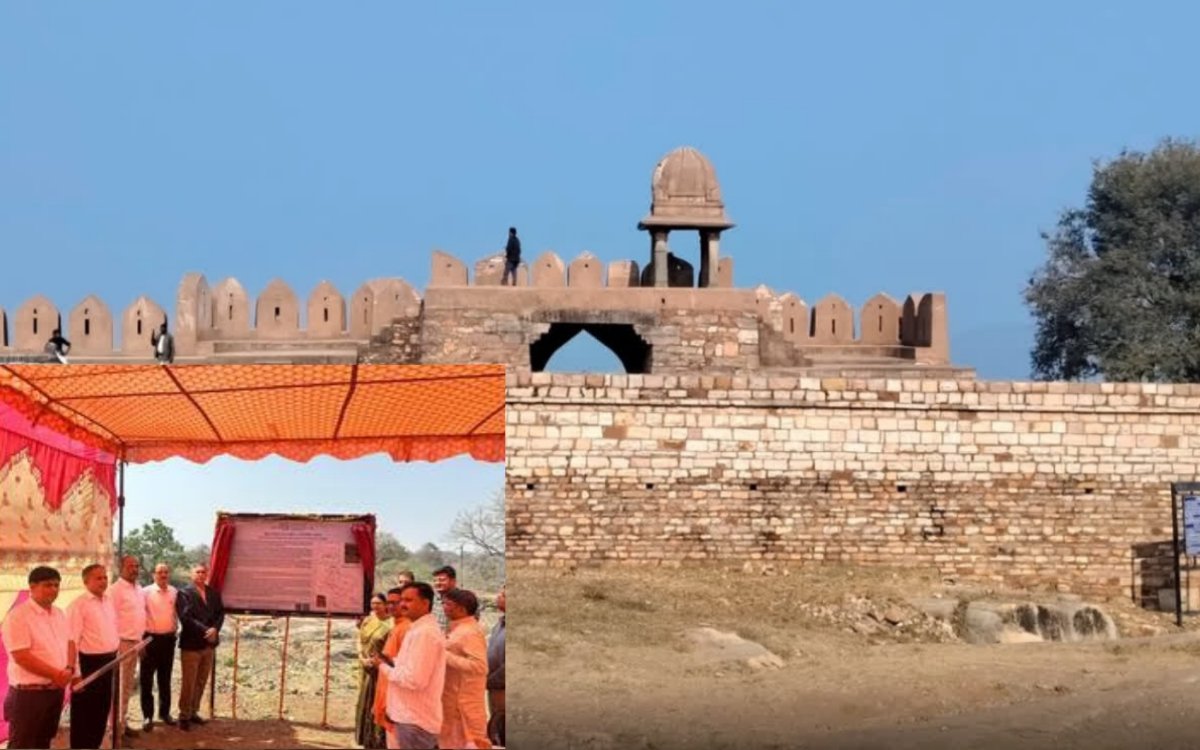
If you live in India, you’ve probably heard of the legendary Kalinjar Fort in Uttar Pradesh. It’s the stuff of Maratha bravery, Chandel Rajput glory, and the site where even Sher Shah Suri met his end. But as of March 16, 2026, Kalinjar has earned a new badge of honor that has nothing to do…
Continue Reading Beyond the Fort: Why Kalinjar Hill is Now India’s Newest National Geo-Heritage Site