If you live in India, you’ve probably heard of the legendary Kalinjar Fort in Uttar Pradesh. It’s the stuff of Maratha bravery, Chandel Rajput glory, and the site where even Sher Shah Suri met his end. But as of March 16, 2026, Kalinjar has earned a new badge of honor that has nothing to do with kings and everything to do with the Earth itself.
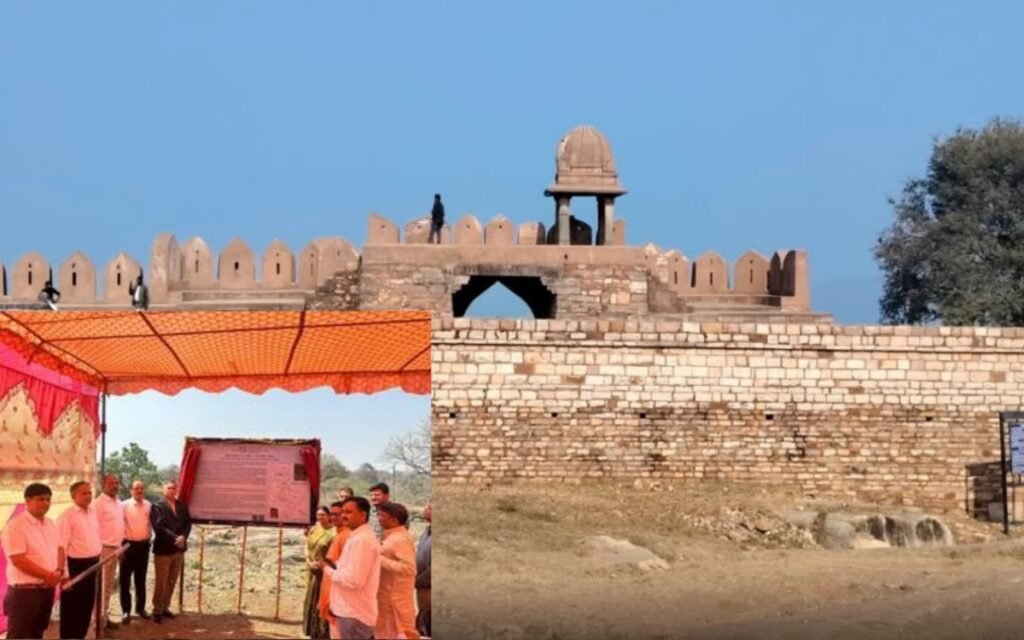
The Geological Survey of India (GSI) has officially declared the hill region surrounding Kalinjar Fort in Banda district as a National Geo-Heritage Site.
While history buffs are celebrating, geologists are even more excited. Here is why this rocky outcrop in the Vindhya range is much more than just an old fortress.
A 1.3 Billion-Year “Missing Link”
The most fascinating part of Kalinjar isn’t the stone walls, but the stones themselves. Scientists call it the Eparchaean Unconformity.
In simple English? It’s a geological “time gap.” At Kalinjar, you can see Bundelkhand Granite (which is roughly 2.5 billion years old) sitting directly beneath Kaimur Sandstone (about 1.2 billion years old).
There is a staggering 1.3 billion-year gap between these two layers. It’s like reading a book where 50 chapters have been ripped out, yet the story still holds together. This rare contact point helps scientists understand how the Indian subcontinent was shaped over eons.
Nature’s Own Defense System
We often praise the architects of Kalinjar Fort for its “impenetrable” design. But the truth is, they were just very good at using geology.
The hill’s natural steepness and the specific durability of the Bundelkhand granite provided a foundation that no cannon could easily crumble. The builders used the local stones to extend the natural cliffs, blending human engineering with the Earth’s natural armor. This is a perfect example of Geo-Cultural Heritage—where the land dictates the history.
The Spiritual Connection: Neelkanth Mahadev
You can’t talk about Kalinjar without mentioning the Neelkanth Mahadev Temple. Legend says this is where Lord Shiva rested after consuming the poison (Halahala) during the Samudra Manthan (Churning of the Ocean).
The fact that this spiritual site is carved directly into a cave within these ancient rocks adds a layer of “living heritage” to the scientific discovery.
What This Means for Travelers
If you are planning a trip to Khajuraho or Chitrakoot, Kalinjar is now a must-add. The government is working on a new “Heritage Circuit” connecting these three iconic spots. With its new Geo-Heritage status, expect better signboards, guided “geo-walks,” and a much deeper appreciation for the ground you’re walking on.
Everything You Need to Know About Kalinjar’s Geo-Heritage Status
Before the Himalayas: How the Ladakh Magmatic Arc Rewrites Earth’s History
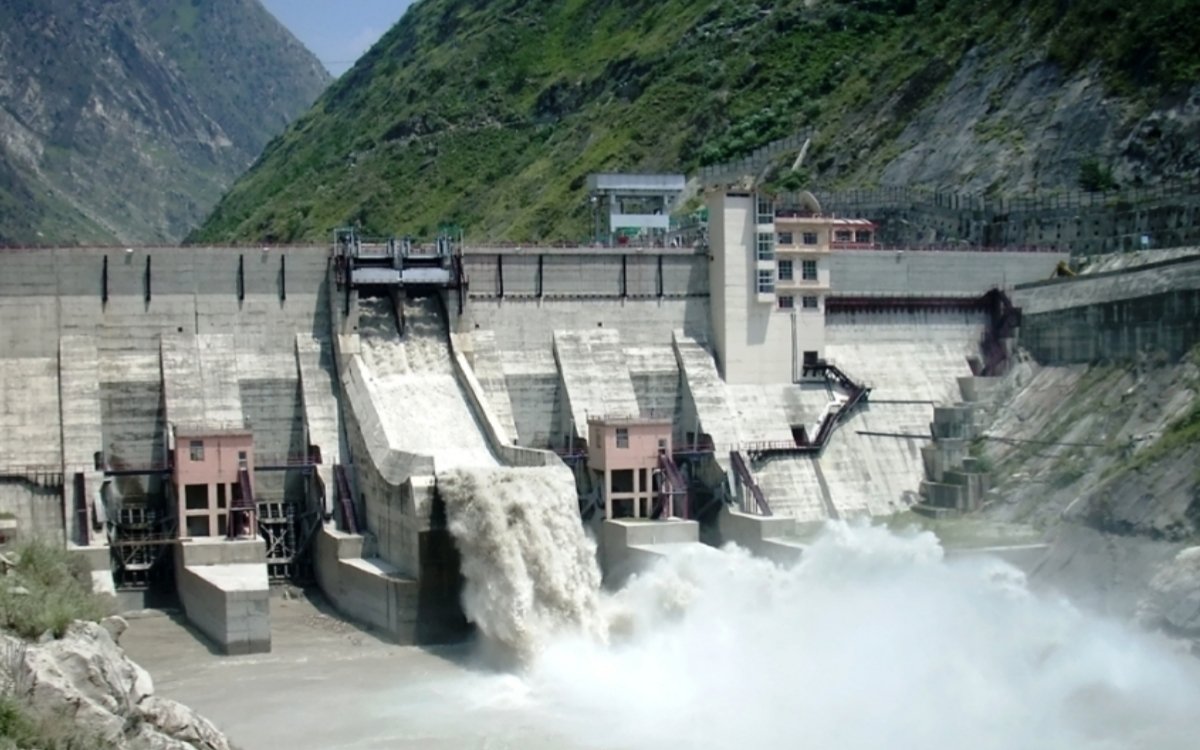
In a significant move towards strengthening India’s renewable energy portfolio, the Union Cabinet, led by PM Narendra Modi, recently greenlit the Small Hydro Power (SHP) Development Scheme. With a financial layout of ₹2,584.60 crore, this isn’t just another infrastructure project—it is a lifeline for India’s remote and mountainous terrains. Scheduled to run from FY 2026-27…

The world of aerial warfare is changing faster than a sonic boom. While India is currently pushing hard to get its 5th-generation Advanced Medium Combat Aircraft (AMCA) off the drawing board, a new conversation has started in the corridors of power in New Delhi. India is now officially “eyeing” a seat at the table for…
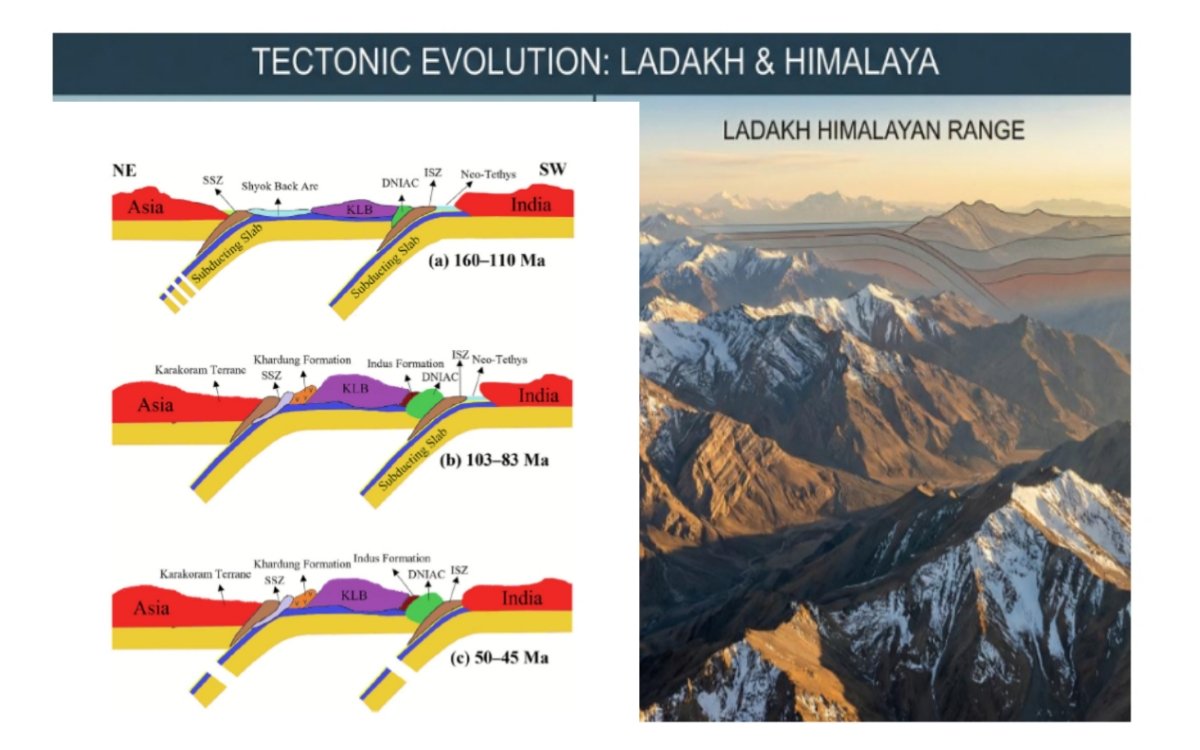
We often think of Ladakh as a high-altitude desert—a “land of high passes.” But did you know that millions of years ago, this very region was actually a bustling volcanic island chain sitting right above an ancient ocean? Recent research by scientists from the Wadia Institute of Himalayan Geology (WIHG) has decoded the 130-million-year-old history…
Continue Reading Before the Himalayas: How the Ladakh Magmatic Arc Rewrites Earth’s History