In a significant move towards strengthening India’s renewable energy portfolio, the Union Cabinet, led by PM Narendra Modi, recently greenlit the Small Hydro Power (SHP) Development Scheme. With a financial layout of ₹2,584.60 crore, this isn’t just another infrastructure project—it is a lifeline for India’s remote and mountainous terrains.
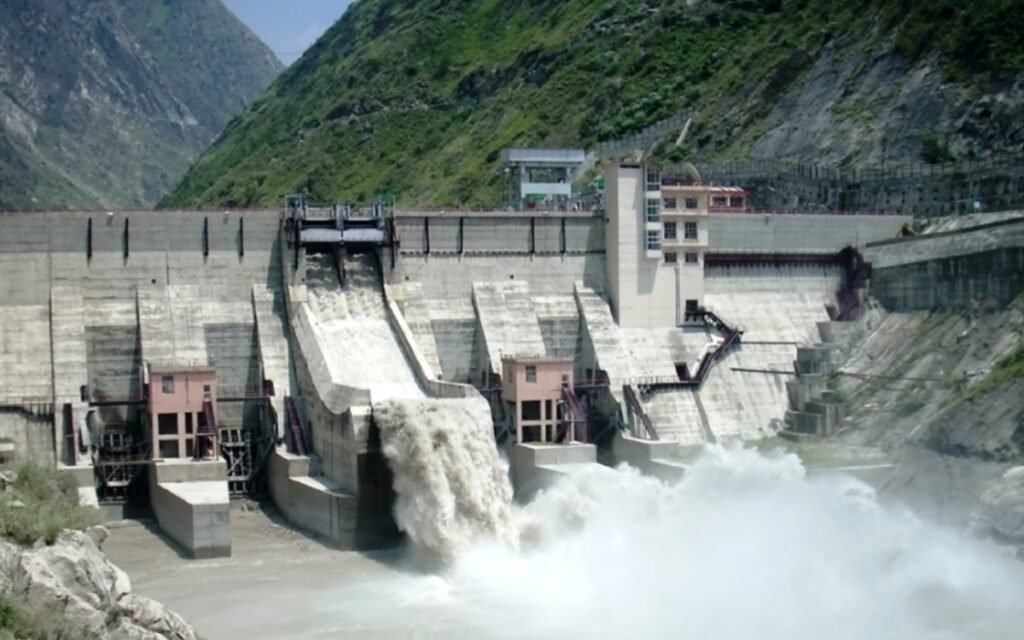
Scheduled to run from FY 2026-27 to FY 2030-31, the scheme aims to add roughly 1,500 MW of power capacity. But why small hydro? And why now? Let’s break down how this decision impacts the common man and the environment.
Why “Small” is the New “Big”
Unlike massive dam projects that often lead to large-scale displacement and environmental concerns, Small Hydro Projects (ranging from 1 MW to 25 MW) are much “kinder” to nature. They require minimal land acquisition and are perfect for decentralized power generation. This means electricity is produced closer to where it is consumed, drastically reducing transmission losses.
A Special Focus on the North East and Border Areas
The government has clearly prioritized the Himalayan and North Eastern regions. These areas often struggle with consistent power due to their difficult terrain. Under the new scheme:
- North Eastern & Border Districts: Receive up to ₹3.6 crore per MW (capped at ₹30 crore per project).
- Other States: Receive up to ₹2.4 crore per MW (capped at ₹20 crore).
This “differential support” recognizes that building in the mountains is harder and more expensive, ensuring that developers aren’t discouraged by the geography.
Jobs and the ‘Atmanirbhar’ Angle
Beyond the bulbs and wires, this scheme is a massive job creator. It is expected to generate nearly 51 lakh person-days of employment during the construction phase. Furthermore, by promoting domestically manufactured equipment, it gives a direct boost to the Atmanirbhar Bharat mission.
The Bottom Line
With an estimated investment of ₹15,000 crore expected to flow into the sector, India is positioning itself as a leader in sustainable, decentralized energy. For the residents of remote border villages, this could finally mean the end of frequent blackouts and the start of a more empowered digital life.
Questions and Answers
India’s Leap into the Future: Why the IAF is Looking at European 6th-Gen Fighter Jets

The world of aerial warfare is changing faster than a sonic boom. While India is currently pushing hard to get its 5th-generation Advanced Medium Combat Aircraft (AMCA) off the drawing board, a new conversation has started in the corridors of power in New Delhi. India is now officially “eyeing” a seat at the table for…
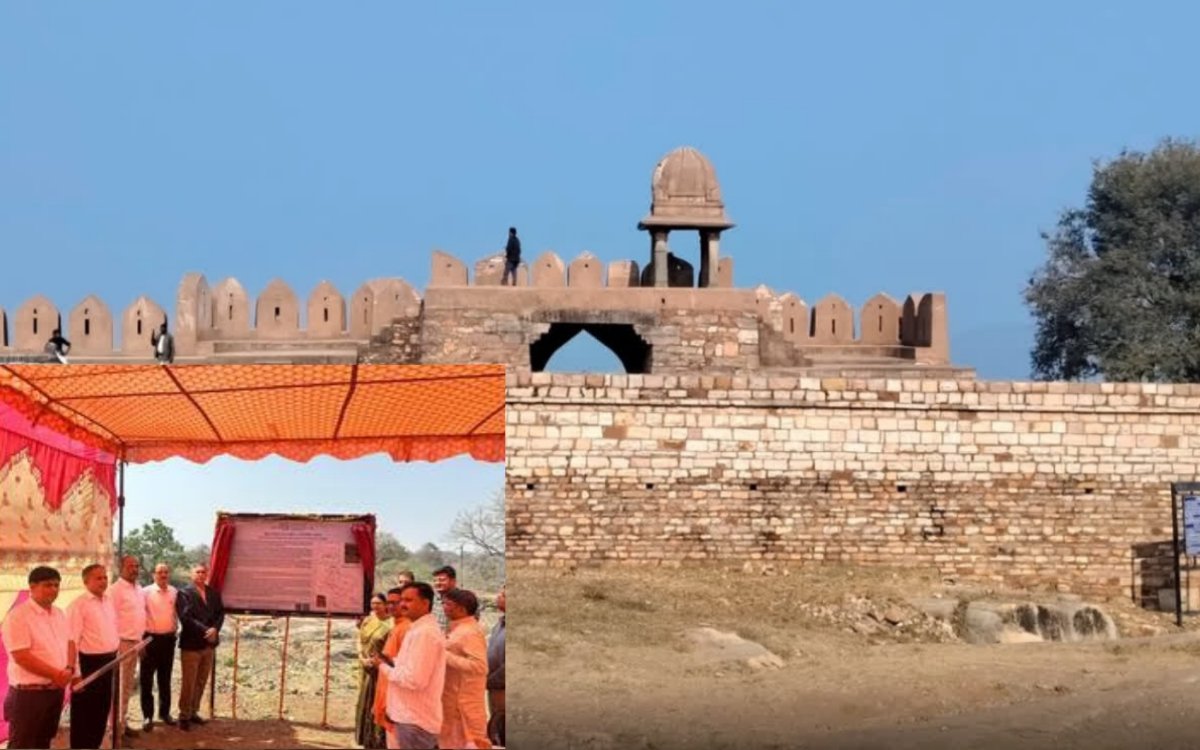
If you live in India, you’ve probably heard of the legendary Kalinjar Fort in Uttar Pradesh. It’s the stuff of Maratha bravery, Chandel Rajput glory, and the site where even Sher Shah Suri met his end. But as of March 16, 2026, Kalinjar has earned a new badge of honor that has nothing to do…
Continue Reading Beyond the Fort: Why Kalinjar Hill is Now India’s Newest National Geo-Heritage Site
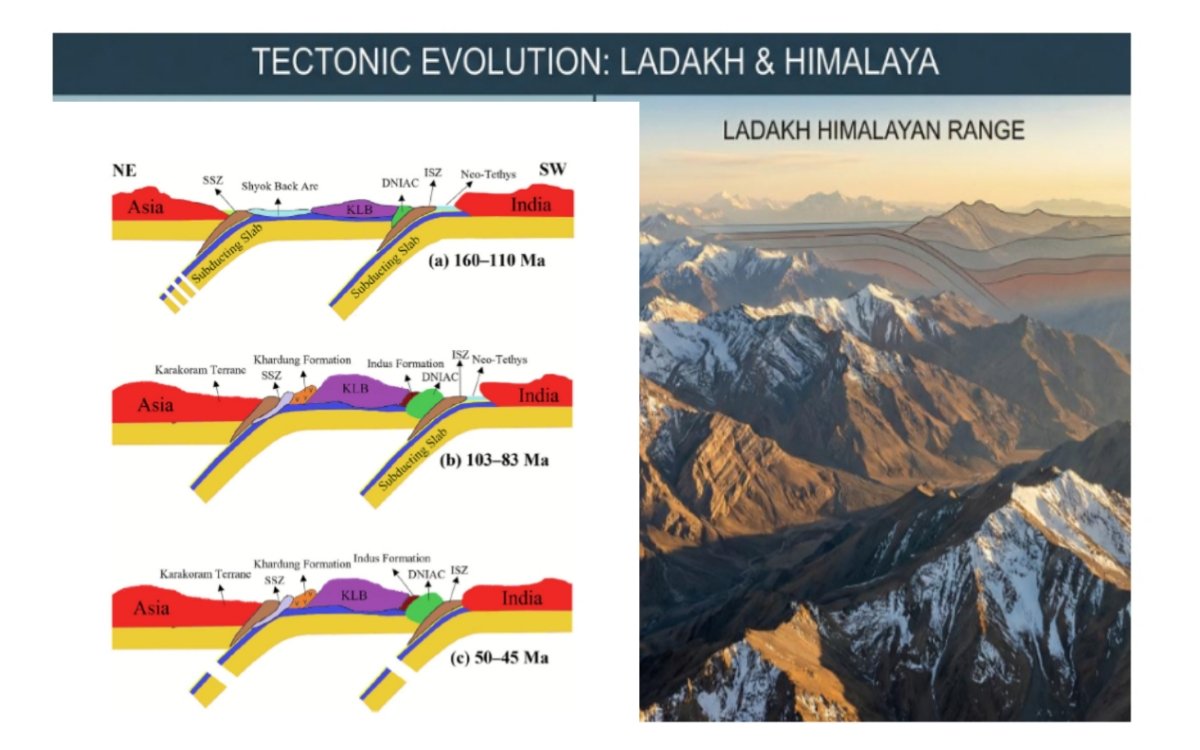
We often think of Ladakh as a high-altitude desert—a “land of high passes.” But did you know that millions of years ago, this very region was actually a bustling volcanic island chain sitting right above an ancient ocean? Recent research by scientists from the Wadia Institute of Himalayan Geology (WIHG) has decoded the 130-million-year-old history…
Continue Reading Before the Himalayas: How the Ladakh Magmatic Arc Rewrites Earth’s History