The world of aerial warfare is changing faster than a sonic boom. While India is currently pushing hard to get its 5th-generation Advanced Medium Combat Aircraft (AMCA) off the drawing board, a new conversation has started in the corridors of power in New Delhi. India is now officially “eyeing” a seat at the table for Sixth-Generation Fighter Jets.
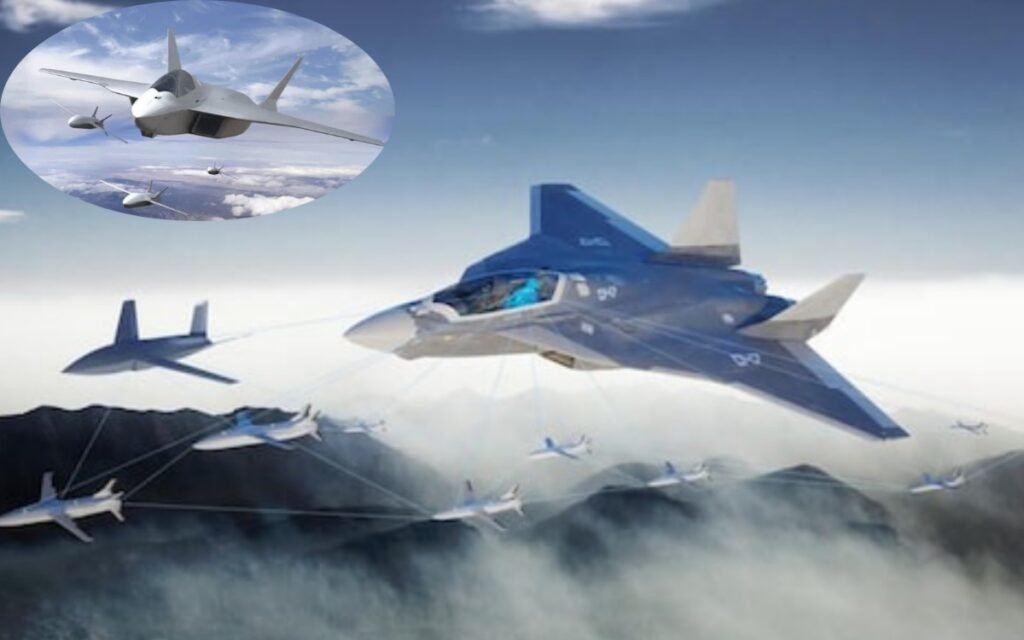
But why look abroad when we are building our own? And what exactly are these “6th-gen” beasts? Let’s dive into India’s potential collaboration with Europe’s most ambitious defense projects.
The Two European Giants: FCAS vs. GCAP
A Parliamentary panel recently suggested that India should evaluate joining one of the two massive European consortiums currently racing to build the fighter jet of the 2030s.
- FCAS (Future Combat Air System): This is a heavyweight trio of France, Germany, and Spain. They aren’t just building a plane; they are building a “networked ecosystem” where the jet acts as a mothership for a swarm of drones.
- GCAP (Global Combat Air Programme): Led by the UK, Italy, and Japan. Their goal is a stealthy, high-tech fighter that is expected to be combat-ready by 2035.
Why Does India Want In?
You might wonder, “Isn’t the AMCA enough?” The truth is, 6th-generation technology is a different animal altogether. We aren’t just talking about being “invisible” to radar (stealth). We are talking about:
- Manned-Unmanned Teaming (MUM-T): One pilot controlling a fleet of “loyal wingman” drones.
- AI Integration: A computer that handles the flying and sensor data so the pilot can focus solely on the mission.
- Directed Energy Weapons: Think lasers instead of just missiles.
- Digital Warfare: The ability to hack or jam enemy systems mid-air.
By joining a European program, India could fast-track its access to these “God-tier” technologies, potentially saving decades of trial and error.
The Reality Check: Autonomy vs. Collaboration
It’s not all smooth flying. The Parliamentary panel was very clear: India shouldn’t just be a “buyer.” If we join, we need:
- True Technology Transfer: We want to know how to build it, not just how to fly it.
- Intellectual Property Rights: India must own a piece of the tech.
- Strategic Autonomy: We must ensure that a partnership doesn’t clip our wings when it comes to using the jets as we see fit.
The Balanced Approach
The goal isn’t to replace the indigenous AMCA but to complement it. Think of it as a “High-Low” mix—where the AMCA forms the backbone of the Indian Air Force, and a 6th-gen European-Indian hybrid provides the cutting-edge dominance required for the mid-21st century.
Questions and Answers
Beyond the Fort: Why Kalinjar Hill is Now India’s Newest National Geo-Heritage Site
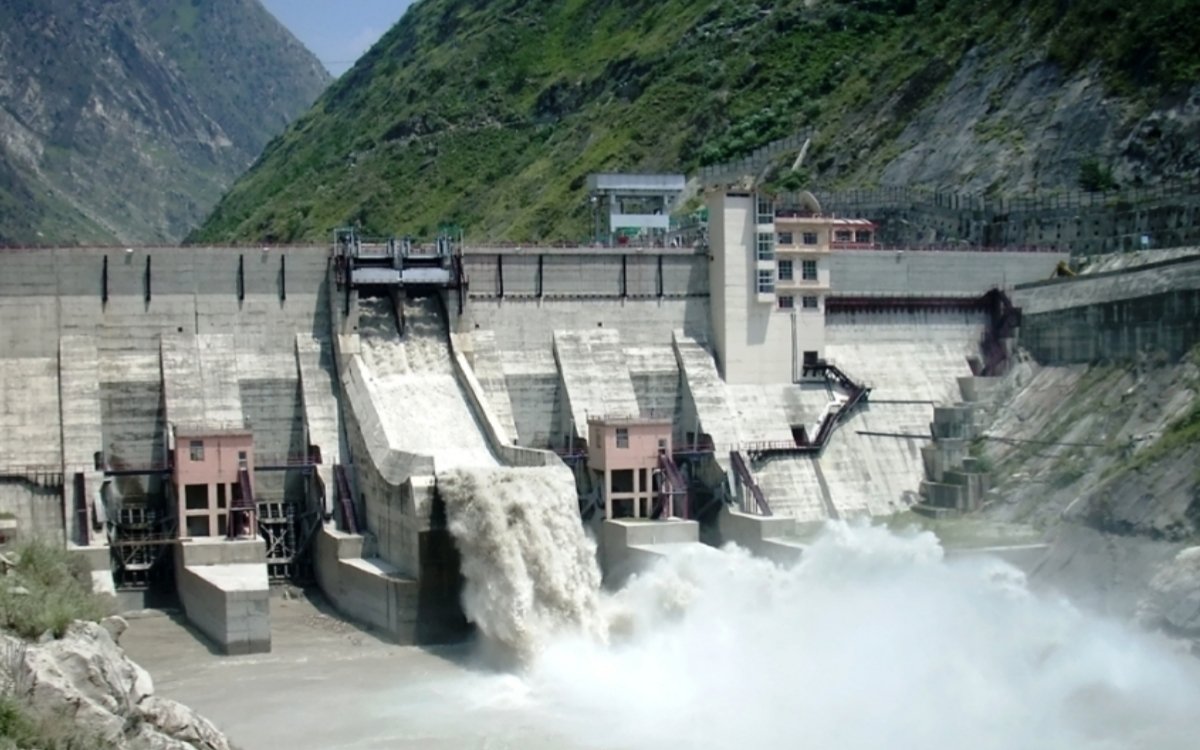
In a significant move towards strengthening India’s renewable energy portfolio, the Union Cabinet, led by PM Narendra Modi, recently greenlit the Small Hydro Power (SHP) Development Scheme. With a financial layout of ₹2,584.60 crore, this isn’t just another infrastructure project—it is a lifeline for India’s remote and mountainous terrains. Scheduled to run from FY 2026-27…
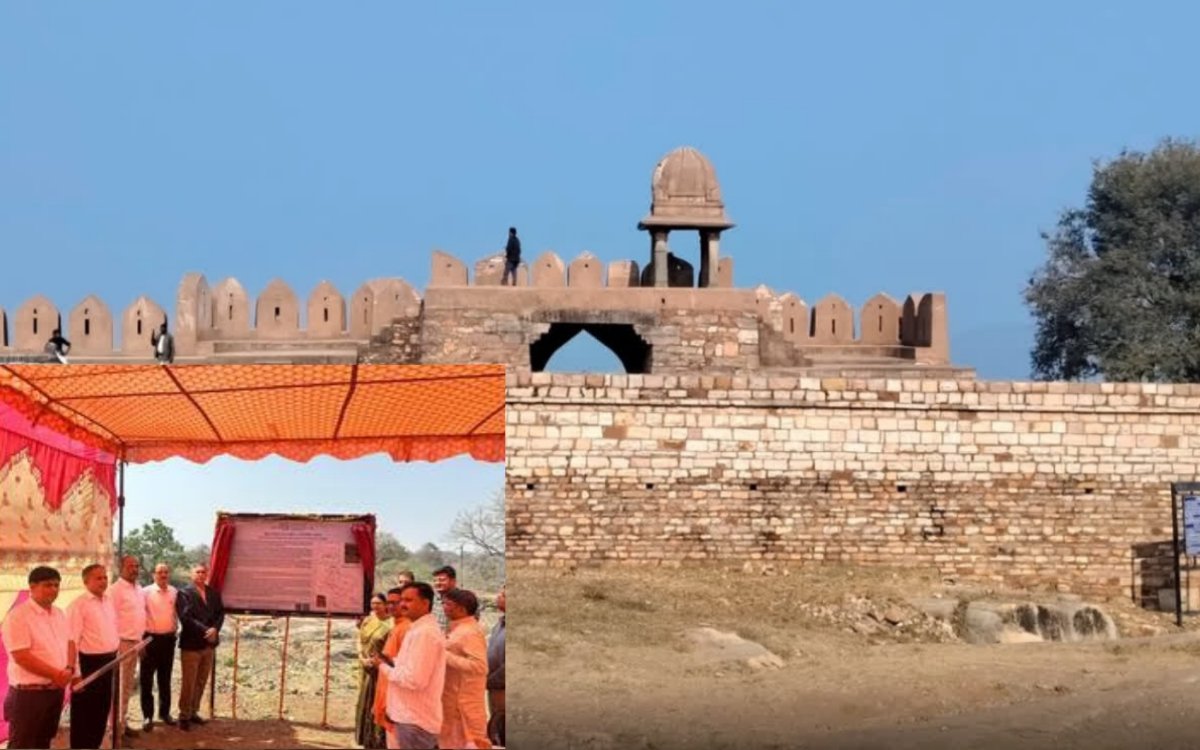
If you live in India, you’ve probably heard of the legendary Kalinjar Fort in Uttar Pradesh. It’s the stuff of Maratha bravery, Chandel Rajput glory, and the site where even Sher Shah Suri met his end. But as of March 16, 2026, Kalinjar has earned a new badge of honor that has nothing to do…
Continue Reading Beyond the Fort: Why Kalinjar Hill is Now India’s Newest National Geo-Heritage Site
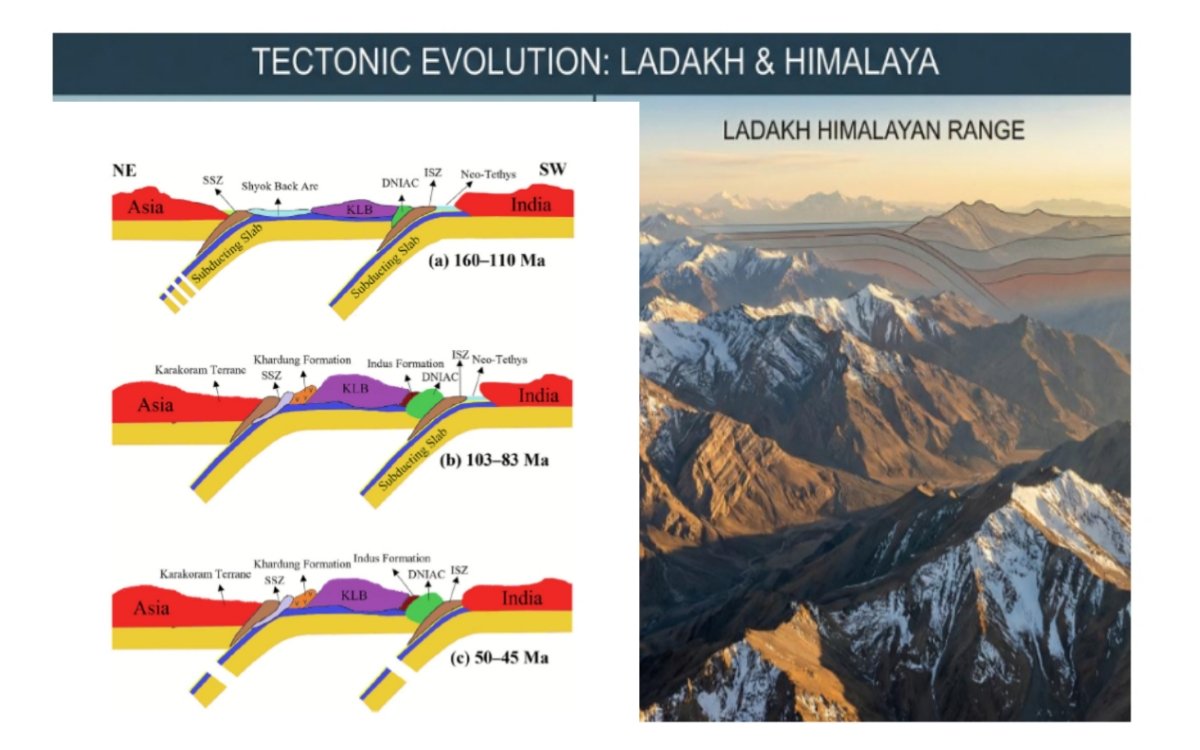
We often think of Ladakh as a high-altitude desert—a “land of high passes.” But did you know that millions of years ago, this very region was actually a bustling volcanic island chain sitting right above an ancient ocean? Recent research by scientists from the Wadia Institute of Himalayan Geology (WIHG) has decoded the 130-million-year-old history…
Continue Reading Before the Himalayas: How the Ladakh Magmatic Arc Rewrites Earth’s History